Car Repair Loans: Covering an Unexpected Repair Bill
Car repair loans are a way to borrow money to pay for unexpected mechanical work needed to keep a vehicle on the road. These loans typically fall under the umbrella of personal loans, which provide a lump sum of cash that you pay back in fixed monthly installments.
Typical costs for common car repairs
When a car breaks down, the cost of the fix depends on the part and the labor required. Because most people use their cars to get to work or school, these costs often come as a surprise. Knowing the general price range for common repairs can help you decide if you need to seek financing or if you can find a cheaper way to handle the bill.
| Repair Type | Estimated Cost Range |
|---|---|
| Brake Pad Replacement | $300 – $700 |
| New Battery Installation | $150 – $300 |
| Alternator Replacement | $400 – $800 |
| Transmission Repair | $2,000 – $4,000+ |
| Timing Belt Replacement | $500 – $1,500 |
These numbers are estimates. Labor rates vary depending on whether you go to a dealership or an independent mechanic. A dealership often charges a higher hourly rate for labor, but they may offer specialized technicians for complex electronic or engine issues.
Financing options from most to least expensive
Not all ways to pay for a car repair are equal. Some methods might seem easier at the moment of purchase, but they can become much more expensive over time. It is important to look at the total cost of borrowing before you sign anything at the mechanic shop.
Shop financing and the deferred-interest trap
Many large repair chains offer "buy now, pay later" plans. These often come with a promotion, such as 0% interest if you pay the full balance within six months. This sounds like a good deal, but it is a common trap. If you fail to pay the entire balance by the deadline, the lender may charge you interest on the original amount from the very first day. This retroactive interest can add hundreds of dollars to your bill instantly.
Personal loans
A personal loan provides a set amount of money that you receive upfront. Unlike shop financing, these loans do not usually have "hidden" interest spikes if you miss a deadline, provided you make your scheduled payments. You can use a personal loan to cover the full cost of the repair and pay it back over several months or years. This can be more predictable than credit card debt, though your interest rate will depend on your credit history.
Credit cards
If you have a credit card with a high limit, you can use it to cover the repair immediately. However, credit cards typically have much higher interest rates than personal loans. If you do not pay the balance in full the following month, the interest will accrue quickly. This is generally the most expensive way to fund a repair if you cannot pay the bill immediately.
Credit unions
If you are a member of a credit union, you might find lower interest rates or smaller, specialized loans designed for emergencies. Credit unions are member-owned and often have different lending criteria than large national banks, which may help if your credit is not perfect. You can learn how to improve your credit score to potentially qualify for better rates at these institutions in the future.
See your loan options
One short request, no obligation, and no effect on your credit score from checking what is available to you.
See Your OptionsChecking your options takes about two minutes and does not affect your credit score. Cortez Loans is not a lender.
How to get a second quote without losing days
When a mechanic tells you that your car needs a $2,000 repair, it is often worth getting a second opinion. However, many people worry that asking for a second quote will make them look like difficult customers or cause the shop to delay the work. You can prevent this by being proactive.
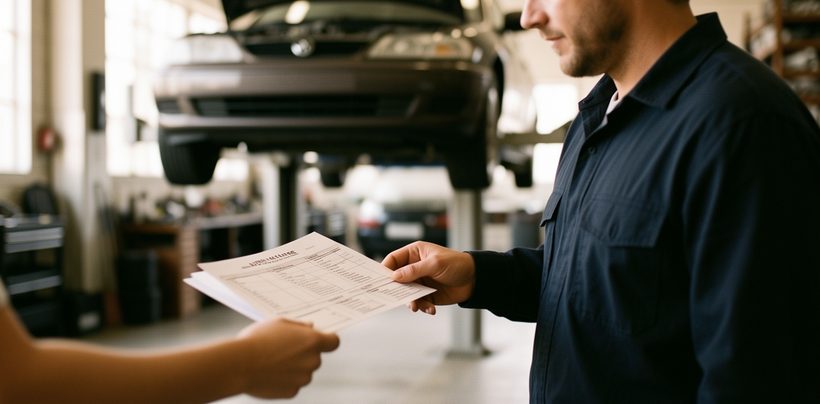
First, ask the shop for a detailed, written estimate that lists both parts and labor. Do not leave the shop without this document. Once you have the written breakdown, you can call other shops and provide them with the same list of parts and labor. This allows them to give you an accurate comparison rather than a vague guess. Many shops are happy to provide a quote over the phone if you provide the specific details of the issue.
Second, ask if the shop offers a "diagnostic fee." Many shops charge $100 to $150 just to look at the car and tell you what is wrong. Before you agree to a second quote, ask if that fee is waived if you choose that shop to perform the actual repair. If you have to pay a diagnostic fee at three different shops, you could spend $450 just to find out which repair is necessary.
When the repair is not worth financing
Financing a car repair is a tool to keep a vehicle running, but it is not always a wise financial move. You should evaluate the "math" of the repair against the actual value of your vehicle. If your car is worth $3,000 and the repair costs $2,500, you are essentially spending almost the entire value of the car to keep it on the road. If the car requires another major repair in three months, you may find yourself in a cycle of debt for a vehicle that is rapidly losing value.
Consider these three factors before committing to a large loan:
- The age of the vehicle: If the car is older and has high mileage, a major repair might be the beginning of a series of expensive issues.
- The cost of a replacement: Compare the repair cost to the monthly payment of a much newer, more reliable used car.
- The necessity of the vehicle: If the car is your only way to reach a job that pays the bills, the repair is a functional necessity. If you have other transportation options, you may be better off saving the money toward a new vehicle.
Common questions
Can I use a personal loan for car repairs?
Yes. Personal loans are typically unsecured, meaning you can use the funds for almost any purpose, including unexpected mechanical work.
Will a car repair loan affect my credit score?
Applying for a loan often involves a hard inquiry, which can cause a small, temporary dip in your credit score. How you repay the loan will have a much larger impact on your score over time.
Is it better to use a credit card or a personal loan for car repairs?
Generally, a personal loan is better if you need to pay the bill back over a long period because it usually carries a lower interest rate than a credit card.
See your loan options
One short request, no obligation, and no effect on your credit score from checking what is available to you.
Check My OptionsChecking your options takes about two minutes and does not affect your credit score. Cortez Loans is not a lender.